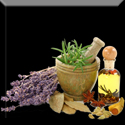
Our natural perfume oils are handcrafted with organic botanical ingredients. You will love these nourishing plant oils and expertly blended pure essential oils with a fragrance that lasts for hours.
This exquisite collection of exotic, alluring, and deeply penetrating aroma oils is made with 100% natural ingredients including pure essential oils. Created as luxurious perfumes, each handcrafted scent will fragrance the body for hours.
The sense of smell is linked to the brain's limbic system - which affects sexual behavior, emotion and even memory - and that scents can trigger different responses in different people. Creating your own homemade personal perfume is easy. Find out which fragrance family, or category of aroma, most of your favorite scents belong to by testing different oils. Floral fragrance tends to be popular among women, but Oriental, fruity, spicy, green and citrus are other aromatic options. Fresh scent often appeal to energetic, youthful temperament. A woodsy or citrusy aroma also retains its scent for hours without becoming too powerful, and make them suitable for men to use as a cologne. Fresh, citrus-based perfumes are the lightest in aroma and they linger for the least amount of time. Create your own homemade perfume by selecting from a wide array of essential oils - delicate floral scents or spicy resins or a host of fruity, fresh citrus oil.
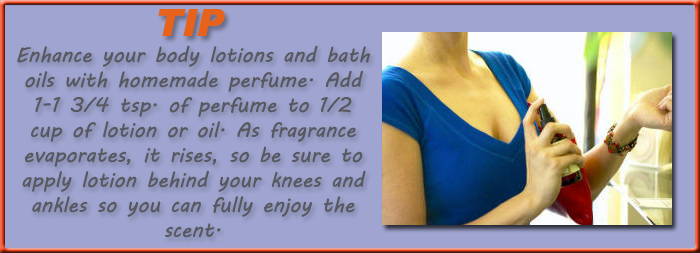
Extra Tip: Enhance your body lotions and bath oils with homemade perfume. Add 1-1 3/4 tsp. of perfume to 1/2 cup of lotion or oil. As fragrance evaporates, it rises, so be sure to apply lotion behind your knees and ankles so you can fully enjoy the scent.
Take Care Tip: Since citrus oils are stimulating, they shouldn't be used by pregnant women or epileptics. The oils may also cause some irritation in those with allergies or sensitive skin. If you experience redness, burning or itching, wash off the perfume immediately with soap, water and rubbing alcohol; then apply a cool compress and aloe-vera gel.
If you enjoy this site please share it with others.

Perfume Recipe
Make Your Own Perfume
"Floriental" nights
2 tbsp.
jojoba oil
3 drops
bergamot oil
2 drops
neroli oil
8 drops
jasmine oil
12 drops
geranium oil
8 drops
ylang-ylang oil
4 drops
patchouli oil
Pour the jojoba oil into a dark glass bottle with a glass rod
applicator.
Add the essential oils drop by drop, and shake thoroughly.
You can vary the proportions of the essential oils in accordance
to personal preference, but note the geranium oil is what gives
this blend its floral flavor. Be careful-too much patchouli oil
will easily overwhelm the scent; too much bergamot oil will often
irritate skin that's sensitive.
Caution:
Bergamot essential oil should not be used by pregnant women or epileptics.
"Orange Spice Cologne"
A warming, spicy, and exotic blend that will lift spirits, invigorate senses, alleviate stress, mental fatigue, and tension. The aroma is delightfully reminiscent of Chai tea.
1 organic Cinnamon Stick
25 organic whole Cardamom
Pods
15 organic Cloves
1 organic Vanilla Bean - cut into small
pieces
1 fresh organic Orange peel - zest only
8 oz Vodka
Crush spices in a mortar and pestle. Combine with Vanilla Bean pieces, Orange peel zest, and vodka in a glass mason jar. Cap tightly and shake once or more per day. After 2-6 weeks, strain the spices and pour the infused liquid into a glass bottle with a mister top. Simply add more spices if you desire a stronger cologne.
Components of Perfume

Every perfume consists of 3 scent levels, or "notes"
which support each other and create the overall scent. Essential
oils, classified as either top, middle or base notes, give each
perfume its own special character. Here are a few of the basic terms:
Top note: This is the scent you notice first, but it doesn't
last long because it evaporates quickest. Top notes are a small
portion of the final blend and include fresh, light citrus scents
using such oils as bergamot, neroli, lemon, lime, rosemary, orange
or mint.
Middle note: This links the base and top scents
and determines the fragrance family. Middle notes include flowery
essential oils, such as jasmine, rose germanium and ylang-ylang.
Base note or fixative: This scent lasts the longest, adds fullness
and carries the other scents. Derived from balsams, roots, resins
and wood, bases include such oils as sandalwood, vetiver and patchouli
and tend to be dark, heavy and sweet.
Citrus grove
This is a fully fruity perfume that has a very light, crusty
scent.
5 tsp. 80-proof vodka
1/2 tsp distilled water
15
drops lemon oil
10 drops bergamot oil
10 drops bitter-orange
oil
5 drops grapefruit oil
5 drops lemongrass oil
4 drops
benzoin oil
2 drops cedarwood oil
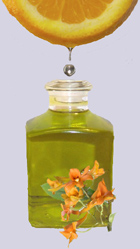
Fruitwood
Fruitwood is a round, fully citrusy perfume with a distinct woodsy scent. This fragrance is also well suited for use as an appealing cologne for men.
5 tsp. 80-proof vodka
1/2 tsp distilled water
15 drops
lemon oil
10 drops grapefruit oil
10 drops lemongrass oil
2 drops benzoin oil
3 drops cedarwood oil
5 drops neroli oil
5 drops cypress oil
10 drops verbena oil (use with caution if
at all)
Place all of the ingredients in a dark glass bottle and shake well. Store the perfume in a cool, dark place for 2-3 weeks to allow it to develop. Turn the bottle upside down occasionally as the perfume steeps.
Maintaining Pure Scent
Spray bottles, which will not come into contact with the skin, are the best choice for applying perfume. Direct skin contact may cause dead skin cells to slough off and be deposited in the bottle, which can can have effect on the perfume's scent over the long term.
Caution!
Do not use perfume before going out in the sun. The essential oils, when exposed to UV light, may result in brown skin discoloration (pigment spots) that is difficult or impossible to remove.

Application:
The skin must be clean and dry when using perfume, so the scent doesn't mix with other odors. Such areas as the neck, sternum, elbow and inside of the knee or wrist are the best places to apply perfume; the increased body temperature at these pulse points improves a scent's development and longevity.
Ingredient Benefits:
Vodka as a carrier oil: High quality 80- or
100-proof vodka is virtually odorless, making it a good choice for
an essential-oil carrier in natural perfume. Don't substitute
other types of alcohol, such as rubbing alcohol, which has a powerful
odor and quickly evaporates as well.
For freshness:
Oils from the skins of a variety of citrus fruits provide the perfumes
fruity, fresh note. Lemon, grapefruit, bergamot and bitter orange
oils are used as light scent oils. They give a refreshing top note
and also provide the perfume with its delicate, invigorating scent.
For warmth and spice: The addition of lemongrass,
cypress, neroli and verbena oils gives the perfume a mild spicy,
slightly woodsy scent.
For fullness and harmony:
Benzoin and cedarwood oils give the perfume a lasting fullness.
They bind the mixture of essential oils together and harmonize well
with the fresh citrus oils.
Jojoba oil for a perfume
base: This medium weight, golden oil is a liquid plant
wax. Produced from cold-pressed jojoba seeds, it makes an excellent
carrier for natural perfumes since it has a very long shelf life,
is easily absorbed by the skin and is non-greasy.
Citrus oil for refreshment: Gently uplifting and
soothing citrus oils, such as neroli and bergamot, provide a fruity,
floral freshness to a perfume's fragrance.
Jasmine
oil for intense richness: Used to make fine perfumes, jasmine
flowers are picked before dawn to prevent any of the soft and sensuous
oil from evaporating.
Geranium oil for harmony and
balance: This delicate, rosy fragrance is very effective
in treating stress, fatigue and anxiety, and it is an inexpensive
alternative to genuine rose oil.
Ylang-ylang oil
for relaxation: Possibly the most erotic aroma on earth,
this sweet, tropical scent is a reported aphrodisiac. It calms the
senses and relaxes the muscles.
Patchouli oil for
prolonging a fragrance: This warm, earthy fragrance acts
as a fixative, slowing evaporation and prolonging the scent.
Do Pheromones Really Work?
The answer is yes! What are Pheromones? They are natural hormones produced by most creatures to attract other members of the same species, and create social bonds. In humans, pheromones are a little more complex, but research has revealed that certain pheromone molecules such as androstenone, androstadienone, androstenol, estratetraenol, and more, can actually affect your mood, confidence, attractiveness, approachability, and authority. Wearing pheromones can have a huge effect on your day to day life, especially when it comes to attracting sexual partners. Whether you're in a long term relationship already and need to reignite the passion, looking for someone new, or simply looking for nice boost in self-confidence, pheromone perfumes and colognes can help you out!
Chikara Pheromone Cologne for Men A scented pheromone cologne called Chikara Pheromone for see more
Alpha 7 Unscented + Scent of Eros for Men Save $30 when you buy Alpha-7 Unscented Pheromones and see more
Chikara UNSCENTED for Men The UNSCENTED version of Chikara Pheromones for Men has been long-awaited! see more
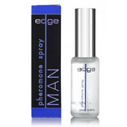
Edge Unscented for Men Edge Pheromones are an affordable brand of pheromone products for men and women from LaCroy Chemical, see more
AndrosteNONE The first human sex pheromone to be identified by researchers was AndrosteNONE. It is found in many mammals, and in see more
AndrosteRONE AndrosteRONE is a human sex pheromone that can impart "alpha" qualities to the user. Pheromone experts have noted see more
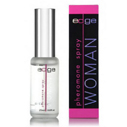
Boxed Edge Delice Pheromones for Women Looking for affordable brand of pheromone products? Edge see more
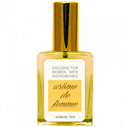
Arome De Femme Not available anywhere else but at Love Scent, Arome De Femme was developed in Paris with a lovely French scent see more
Primal Women Primal Women is the most potent unscented pheromone for women available exclusively at Love Scent and is based see more
Essence of a Woman Pheromones Essence of a Woman Pheromones are the Latest in Sex Pheromone see more
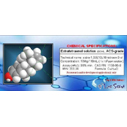
Estratetraenol Estratetraenol is a social pheromone used in both men's and women's pheromone products to strong effect, especially see more
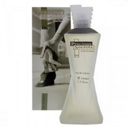
Precious Secrets Improve the results of your next business meeting by spraying on Precious Secrets for Men! It is a light cologne see more
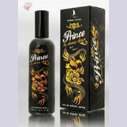
Prince in Shining Armor PRINCE IN SHINING ARMOR
by Dorall Collection: EAU DE TOILETTE SPRAY 3.4 OZ for MEN
see more
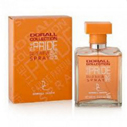
The Pride for Women THE PRIDE by Dorall Collection:
EAU DE PARFUM SPRAY 3.4 OZ for WOMEN
see more
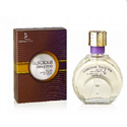
Luscious LUSCIOUS SEXY ME original women's fragrance by DORALL COLLECTION in large 3.4 oz natural spray bottle with a similar scent to SENSOUS
Jojoba Oil Organic (Peru) Jojoba Oil is actually a naturally occurring, see more
Geranium Essential Oil (Egypt) possesses a sweet scent that favors a rose see more
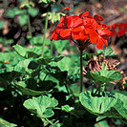
Geranium Essential Oil (Reunion Island) Hormonally, emotionally & metabolically see more
Lemon Essential Oil Organic (Italy) Light, fresh, citrus scent, and nice see more
Rosemary Essential Oil Organic (Tunisia) A strong, fresh, minty, see more
Cedarwood Atlas Essential Oil (Morocco) This oil has a rich aromatic scent see more
Cypress Essential Oil (Spain) Cypress Essential Oil has a woody, slightly spicy, see more
Peppermint Essential Oil Organic (USA) Peppermint Essential Oil has see more
Bergamot Essential Oil (Italy) Bergaptene free. Has a fresh, see more
Neroli Essential Oil (Morocco) Very relaxing, helping to aid feelings of see more
Jasmine Absolute Essential Oil (Egypt) Called the "king of flower oils" has see more
Ylang Ylang 3rd Essential Oil Organic (Comoro Islands) Ylang Ylang 3rd see more
Patchouli Essential Oil (Indonesia) has a long lasting, sweet, rich, see more
Orange Bitter Essential (Brazil) Fresh, dry, almost floral with a rich sweet see more
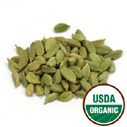
Cardamom Pods Whole Organic (Guatemala) A warming, spicy, and exotic blend see more
Grapefruit Essential Oil (USA) With a sweet, sharp, pressed see more
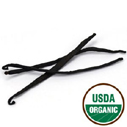
Vanilla Beans Organic (India) A warming, spicy, and exotic perfume blend see more
Lemongrass Essential Oil (India) has a fresh, grassy-citrus, earthy see more
Lime Peel Essential Oil (Mexico) Very stimulating in cases of apathy see more
Sandalwood Essential Oil (Indonesia) Scent Characteristics: see more
Benzoin Absolute Essential Oil (Indonesia) has a warming, vanilla scent that is see more
Lemon Verbena Leaf has similar uses to mint and orange flowers. Like those natural see more
Verbena Essential Oil has similar uses to mint and orange flowers. The see more
Vetiver Essential Oil (France) This essential oil has a wonderful effect on the mind and see more
Accessories & Tools. Empty Capsules, Capsule Machines & Organizers, see more
Aromatherapy Accessories Our wide assortment of Aromatherapy Accessories see more

Flower Waters are lovely fragrances - pleasantly aromatic and not see more

Body and Bath Experience all-natural body care with NENS natural sponges, see more
Bottles, Jars & Containers A variety of bottles and containers well-suited for see more
Bulk Herbs Our bulk herbs include a delectable choice of dried culinary see more
Bulk Ingredients Natural body care products are 100% natural, and are excellent see more
Amazing Aromatherapy and Essential Oils Books Take the power to heal see more
Capsules Made with Organic Herbs Our Single Herb Capsule line offers many see more
Essential Oils are something only nature could inspire. Considered the see more
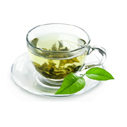
Green Tea. It's no doubt that fresh, revitalizing green teas and green tea blends see more
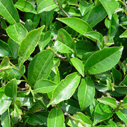
Loose Green Tea. Green Tea has been long valued for its medicinal and healthful see more

Liquid Herbal Extracts Botanical liquid herbal extracts, are naturally see more

Herbal Teas Although not as well known as the more common green teas and see more
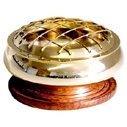
Incense Holders & Accessories Starwest Botanicals offers a wide variety of see more

Massage Oil Try a massage or a luxurious bath today with one of Starwest see more

Certified Organic Sprouting Seeds Certified Organic and Kosher Sprouting Seeds see more
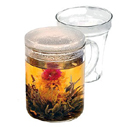
Tea Brewing Supplies There are a wide variety of tea accessories to see more

Organic Spices in Jars & Pouches Organic spices and seasoning blends are now see more
Join Our Free Newsletter
and
Get This FREE
brand new E-Book
"A-Z Reference Guide"
which includes links to all the recipes on this site plus
Ingredients Benefits
and HOW TO TIPS.
We value your Privacy
Balm
Baths
Conditioners
Creams
Deodorants
Facials
Gels
Lotions
Miscellaneous
Oils
Powders
Rinses
Salves
Scrubs
Shampoos
Treatment
Talc
Tinting
Toners