A sunscreens has two purposes. Firstly it helps the skin maintain moisture and its own natural oils which can be lost through exposure to the sun's radiation. Secondly, a good sunscreen protect the skin against UVA and UVB rays. It is said that the reduction in the atmosphere's ozone layer has made these rays more damaging. The body's own defense system to sunlight causes skin pigment cells, called melanocytes, to synthesize increasing amounts of melanin, which is what a tan actually is, gives our skin a protective pigmentation. It may not be quite enough these days, especially if you are fair-skinned or have a family history of skin cancer. Also see Suntan Oil
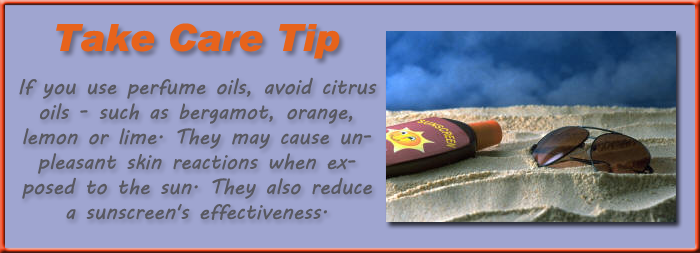
Take Care Tip: If you use perfume oils, avoid citrus oils - such as bergamot, orange, lemon or lime. They may cause unpleasant skin reactions when exposed to the sun. They also reduce a sunscreen's effectiveness.
If you enjoy this site please share it with others.

Sunscreen Lotion Recipe
Natural-Protection Cream
3 tbsp. unrefined sesame oil
1 tbsp. unrefined avocado oil
1 tbsp. unrefined jojoba oil
1 tbsp. walnut or almond oil
1 tbsp. shea butter
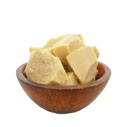
2 tbsp. cocoa butter
1 tsp. beeswax
1 tsp. soya-lecithin
2 tbsp. aloe-vera gel
2 tbsp. rose or lavender water
1/2 tsp. borax powder
20 drops carrot-seed essential oil
3-5 drops coconut fragrance oil (optional)
For After-Sun Relief
No Such Thing As A Safe Tan
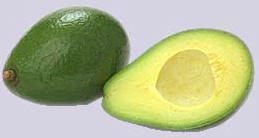
To protect your skin from harmful UVA radiation, use a suntan lotion with a high sun protection factor. Lotions with plant-based oils, such as vitamin E-rich avocado oil, have enhanced effectiveness. Vitamin E helps prevent premature skin aging due to sun exposure. Remember, there is no such thing as a safe tan. Use common sense, and always avoid any overexposure to the sun.
What is UVA and UVB ?
Although benefits of UVA protection may seem limited in current sunscreens, the lotions are still useful for protecting against UVB rays and should continue to be used. The power of the sun can seem hard to avoid in the heat of the summer, but by following safe sun practices and taking care to protect vulnerable skin, the risk of developing skin cancer can be minimized.
Australian researchers found that UVA rays caused DNA damage to the cells deep within the skin. It is this layer of cells that regenerates our skin and it is feared that damage to the DNA of these cells may increase a person's risk of developing skin cancer. According to new research, while useful for protecting against UVB rays, lotions are less protective against harmful UVA.
They discovered that the UVA protection offered by leading sunscreen brands was not what might be expected. Furthermore, even when sunscreens were applied in the recommended concentration, they afforded much lower protection against the melanoma-inducing and skin-ageing UVA light than against UVB.

Application:
As well as containing moisturizing properties, avocado, sesame oil and shea butter contain a low SPF sunscreen. However, they have only a limited UVA/UVB-filtering ability, thus you should not use them as your only skin protection. For a natural sunscreen with a higher SPF. use a commercial sunscreen with titanium dioxide.
Ingredient Benefits:
Perishability and storage: To keep homemade sunscreen from spoiling, use only clean utensils for preparation and storage. Store lotions in the refrigerator, where they will keep for about three to four weeks.
Proper application: To achieve maximum
protection from the sun, apply sunscreen to dry skin 30 minutes
before exposure. Limit your sun exposure time to less than one
hour; actual amount of time depends on your skin type.
Skin types: There are four basic skin types, each with
a different level of tolerance to sun exposure. People with
light skin and blond or reddish hair are Type I and their natural
protection time (amount of time skin can be exposed to the sun
without burning) is 5-10 minutes. The natural protection time
for people with skin Type II, who have a somewhat darker complexion,
is up to 20 minutes. People with skin Type III and IV, those
with much darker skin tones, can stay in the sun for 30-40 minutes.
To determine how long a sunscreen will protect you, multiply
your natural protection time by the SPF. Of course, if you have
a family history of skin cancer, you should always use a sunscreen
with a high SPF.
Hydrosol - The condensed
water that is left behind when plants are steam distilled to
make essential oil. A little like waters made from roses and
lavenders and other herbs, except more pure and a little more
concentrated. You can make your own waters, just by steeping
an herb in warm water and straining. Or, you can purchase hydrosols.
See below.
What is a hydrosol?
Sesame Oil Apply sesame oil to reduce sun damage: The rays of the sun are see more
Sesame Oil, Organic (Virgin) Sesame Seed Oil cold pressed from high quality see more
Avocado Oil (unrefined) Our Avocado Oil (Persea americana) is see more
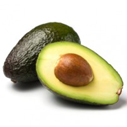
Avocado Oil Extra Virgin (unrefined)(Brazil) Our extra virgin avocado oil is of nonpareil see more
Jojoba Oil Organic (Peru) Jojoba Oil is actually a naturally occurring, see more
Walnut Oil Organic Cold Pressed Walnut Oil is a rich source of see more
Sweet Almond Oil is easily absorbed into the skin, making it a popular carrier see more
Organic Shea Butter (Refined) Shea Butter is derived from the Shea Nut see more
Shea Butter Expeller Pressed, Refined Shea butter is an ivory colored butter see more
Cocoa Butter Our Cocoa Butters are pure food grade, have a rich pleasant see more
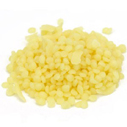
Beeswax Beads Organic, Yellow (Filtered)(China) Harvested from the honeycombs, see more
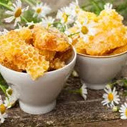
Yellow Beeswax Pellets Beesworks Beeswax is 100% natural beeswax pellets. see more
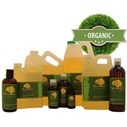
Lecithin- liquid Made from pure soybean oil, this emulsifier is high in the B vitamins see more
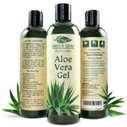
Aloe-vera Gel Conditioning treatment for Oily Hair with aloe-vera: This see more
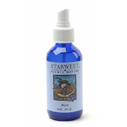
Rose Flower Water Starwest Flower Waters are lovely fragrances, see more
Lavender hydrosol- Lavender water Lavender-flower water soothes, see more
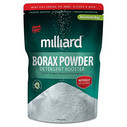
Borax Powder Made from anhydrous pure powdered sodium borate with no see more
.jpg)
Emulsifying Wax (NF) Emulsifying wax is an ideal medium for the blending of fine see more
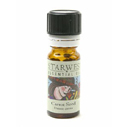
Carrot Seed Essential Oil (India) On its own, Carrot Seed is not a pleasant see more
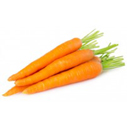
Carrot Seed Oil (Austria) Carrot seed essential oil has taken the mantle as queen see more
St. Johns Wort Extract Organic Skin Treatment: If you use St. John's Wort in see more
Accessories & Tools. Empty Capsules, Capsule Machines & Organizers, see more
Aromatherapy Accessories Our wide assortment of Aromatherapy Accessories see more

Flower Waters are lovely fragrances - pleasantly aromatic and not see more

Body and Bath Experience all-natural body care with NENS natural sponges, see more
Bottles, Jars & Containers A variety of bottles and containers well-suited for see more
Bulk Herbs Our bulk herbs include a delectable choice of dried culinary see more
Bulk Ingredients Natural body care products are 100% natural, and are excellent see more
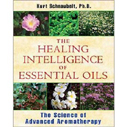
Amazing Aromatherapy and Essential Oils Books Take the power to heal see more
Capsules Made with Organic Herbs Our Single Herb Capsule line offers many see more
Essential Oils are something only nature could inspire. Considered the see more
Green Tea. It's no doubt that fresh, revitalizing green teas and green tea blends see more
Loose Green Tea. Green Tea has been long valued for its medicinal and healthful see more
Liquid Herbal Extracts Botanical liquid herbal extracts, are naturally see more
Herbal Teas Although not as well known as the more common green teas and see more
Incense Holders & Accessories Starwest Botanicals offers a wide variety of see more
Massage Oil Try a massage or a luxurious bath today with one of Starwest see more

Certified Organic Sprouting Seeds Certified Organic and Kosher Sprouting Seeds see more
Tea Brewing Supplies There are a wide variety of tea accessories to see more
Organic Spices in Jars & Pouches Organic spices and seasoning blends are now see more
Join Our Free Newsletter
and
Get This FREE
brand new E-Book
"A-Z Reference Guide"
which includes links to all the recipes on this site plus
Ingredients Benefits
and HOW TO TIPS.
We value your Privacy
Balm
Baths
Conditioners
Creams
Deodorants
Facials
Gels
Lotions
Miscellaneous
Oils
Powders
Rinses
Salves
Scrubs
Shampoos
Treatment
Talc
Tinting
Toners