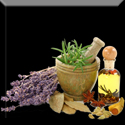
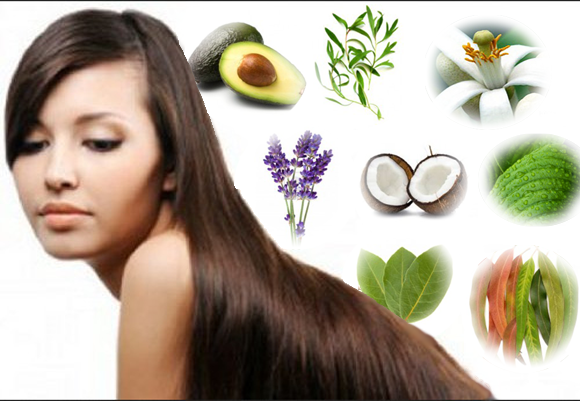
A soft, shiny, healthy head of hair is quite a blessing. Whether you have normal, fine hair or oily hair and dandruff, a well-groomed appearance can strengthen one's self confidence and image. Today, many commercial shampoos have cleansers that are too harsh and have a drying effect on the scalp, making it produce too much oil for those suffering with an oily hair condition. Normal hair is easier to maintain but it too can benefit from a milder shampoo. Making your own homemade natural herbal shampoo specifically formulated for your hair type may be the answer you have been looking for.
Daily Ritual Tip: Daily scalp massages spreads your skin's natural oils to the hair shafts. Use your fingertips to massage your scalp for 3 min. each day before shampooing.
If you enjoy this site please share it with others.

Shampoo Recipe
Shampoo
For normal hair
1 cup distilled water
1 cup Liquid Castille Soap
30 drops lemon essential oil
30 drops rosemary essential oil
For fine hair
1 cup distilled water
1 cup Liquid Castille Soap
30 drops Peru-balsam essential oil
30 drops bay-laurel essential oil
Elma 11 Hair & Scalp Revitalizer
Use this product in conjunction with your homemade shampoos. All recipes will benefit from this regime. Read about Plant Stem Cells
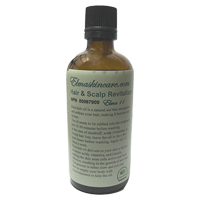
Elma hair & scalp
revitalizer delivers to your skin a full set of amino acids,
vitamins, and
kinetin, making the skin stem cells active and
more effective. This results in the growth of new hair.
After 3 weeks your hair will become stronger and
healthier.
After 5 weeks your scalp will be cleansed and
hair loss will be diminished.
After 3 months the
re-growing process will start.
Buy one today and we
will send you a 50% off coupon for the second one!
Ingredients
Elma 11 Hair and Scalp Revitalizer is 100% natural, and does not contain steroids, parabens, and artificial preservatives.
Directions
Rub into the scalp and hair 15-30 minutes before washing 1-2 times a week. In the case of dandruff, scalp irritations, or to stop hair loss, leave the oil in for a few more hours before washing. Apply oil 1-2 times a week.
Now the question arises how often you must shampoo. Women are advised to shampoo once every 8 to 10 days for normal hair, once every fortnight for dry hair and once every 5 to 8 days for oily hair. I would like to mention that too frequent washing of hair, however good the quality of the shampoo used, can in the long run cause damage to the hair.
Neutralizing Rinse
All shampoos are a little alkaline; in areas with hard water, they may leave a light film on your hair or your scalp. If you live in a region where the water is a problem, use an acidic rinse after every shampoo to neutralize the hair's pH. Mix 1 tsp. of vinegar or freshly squeezed lemon juice with 2 cups of warm water and use this mixture as a final rinse.
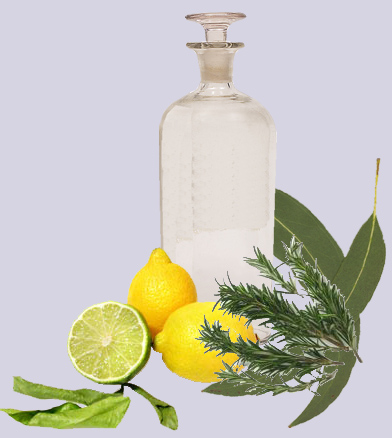
Itchy, Dry Scalp with Dandruff
1 cups distilled water
1 cup Liquid Castille Soap
14 drops rosemary oil
6 drops eucalyptus oil
5 drops of tea tree oil
1/2 teaspoon of jajoba oil
Color Treated Hair, Which Is Also Dry
3/4 cups distilled water
3/4 cup Liquid Castille Soap
1/2 teaspoon Avocado Oil
1 teaspoon Coconut Oil
For oily hair
1 cups distilled water
1 cup Liquid Castille Soap
12 drops rosemary oil
8 drops lavender oil
8 drops Bergamot Essential Oil
Keeping Hair Healthy
Take Care!
The essential oils in these shampoos may irritate the mucous membranes if they come in contact with your eyes, so you should always keep your eyes closed when you're washing your hair. If some shampoo does get into your eyes, rinse it out immediately with plenty of water to prevent irritation. Pregnant women and epileptics should avoid using bay-laurel, lemon and rosemary essential oils, since they can trigger contractions or seizures; lemon oil can also cause photosensitivity.

Application:
Wet your hands and pour a little shampoo, about the size of a quarter, into your palm. Rub your hands together until the shampoo begins to lather slightly. Apply it to your hair, massaging your scalp with gentle, circular motions, until a thick lather forms. Then run your hands down over the rest of your hair (if it is long) while working in the lather. Rinse your hair and, if necessary, repeat. It is important to rinse your hair thoroughly to remove any residue.
Ingredient Benefits:
Distilled water for clean rinsing: Water that has been distilled is extremely pure; it is free of sodium and trace amounts of solid matter, unlike other kinds of water. It is a good ingredient for natural shampoos, as it doesn't contain minerals that can build up on your hair.
Gentle herbal shampoo as a base: A good base for natural shampoo is a mild herbal shampoo, which can be found in many health-food stores. Buy a soap-based shampoo made with coconut, soy, olive or palm-kernel oil. Another good choice is a herbal baby shampoo. Avoid shampoos that include olefin sulfate, lauramide DEA, cocamide DEA, sodium lauryl sulfate, sodium laureth sulfate, sodium C14-16 or cocamidopropyl betaine, as they tend to be too harsh.
Essential oils for scent and shine: Lemon essential oil can give your hair a healthy shine. Peru-balsam oil conditions fine hair and makes it easier to comb. Rosemary oil is also good for natural shampoos, since it contains components that help invigorate and strengthen both your scalp and your hair.
Alternatives for healthy hair: If you don't want to make a natural shampoo but want something mild, try diluting your normal shampoo by half with distilled water. You can also add essential oils for fragrance; lavender and rosemary oils are good choices.
A pH-Balanced shampoo: Containing no additives or perfumes, a pH-balanced shampoo may be commercially available in ready-to-use form. It is well suited for use in personalizing individual, gentle shampoos and provides an inexpensive alternative to store-bought brands. For a distinctive aroma, add your favorite essential oil. In addition to pleasing aroma, the nourishing, restorative components of the added essential oils will enrich your scalp each time you shampoo.
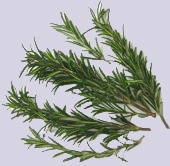
Rosemary oil for a healthy scalp: The component terpineol found in the essential oil of rosemary leaves will stimulate circulation in your scalp, strengthen the roots of your hair and generally promote healthy hair growth. This stimulating effect alleviates hair and scalp problems and prevents damage.
Beautiful hair with lavender oil: The ancient Romans used lavender oil as a special additive to washes because of its effectiveness as a cleansing agent. Lavender oil gives hair a pleasant scent, a silky fullness and a light, fresh appearance.
Natural help for dandruff: If you have dandruff, use a shampoo containing eucalyptus essential oil. Each time you wash your hair, the eucalyptus essential oil will remove existing flakes and help purify your scalp.
Many of you have a busy and hectic lifestyle and even though making your own homemade shampoo is the best alternative to using commercially purchased shampoos and conditioners there isn't always the time available. There are however some excellent shampoos available that are also vegan, gluten-free, sulfate-free, paraben-free, phthalate-free, and cruelty-free.
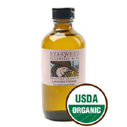
Elma hair & scalp revitalizer delivers to your skin a full set of amino acids, see more
Lemon Essential Oil Organic (Italy) Light, fresh, citrus scent, and nice see more
Jojoba Oil Organic (Peru) Jojoba Oil is actually a naturally occurring, see more
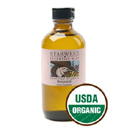
Bergamot Essential Oil (Italy) Bergaptene free. Has a fresh, see more
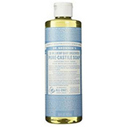
Castile Soap - Liquid SMOOTH AND MOISTURIZING: The organic and see more
Peru-balsam Essential Oil 100% Pure & Natural, Therapeutic see more
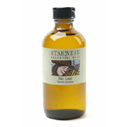
Bay Leaf Essential Oil (USA) (Pimenta racemosa) Bay Leaf Essential Oil see more
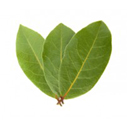
Bay Leaf Essential Oil (Austria) (Laurus nobilis) Laurel leaf essential oil see more
Eucalyptus Globulus Essential Oil (Brazil) Its aromatic see more
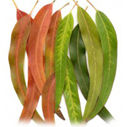
Eucalyptus Globulus (China) Eucalyptus essential oil is considered see more
Tea Tree Essential Oil, Organic (Australia) Tea Tree Essential Oil see more
Tea Tree Essential Oil ORGANIC (Australia) Organic Tea tree see more
Avocado Oil (unrefined) Our Avocado Oil (Persea americana) is see more

Avocado Oil Extra Virgin (unrefined)(Brazil) Our extra virgin avocado oil is of nonpareil see more
Coconut Oil Organic Virgin (unrefined) Our Organic Coconut Oil is expeller see more
Coconut Oil, Extra Virgin, ORGANIC (Unrefined) Cold pressed organic see more
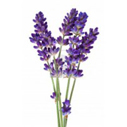
Lavender 40/42 Essential Oil Lavender 40/42 is a wonderfully fragrant essential see more
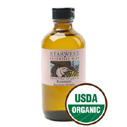
Rosemary Essential Oil Organic (Tunisia) A strong, fresh, minty, see more
Accessories & Tools. Empty Capsules, Capsule Machines & Organizers, see more
Aromatherapy Accessories Our wide assortment of Aromatherapy Accessories see more
Flower Waters are lovely fragrances - pleasantly aromatic and not see more

Body and Bath Experience all-natural body care with NENS natural sponges, see more
Bottles, Jars & Containers A variety of bottles and containers well-suited for see more
Bulk Herbs Our bulk herbs include a delectable choice of dried culinary see more
Bulk Ingredients Natural body care products are 100% natural, and are excellent see more
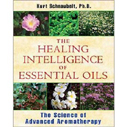
Amazing Aromatherapy and Essential Oils Books Take the power to heal see more
Capsules Made with Organic Herbs Our Single Herb Capsule line offers many see more
Essential Oils are something only nature could inspire. Considered the see more
Green Tea. It's no doubt that fresh, revitalizing green teas and green tea blends see more
Loose Green Tea. Green Tea has been long valued for its medicinal and healthful see more
Liquid Herbal Extracts Botanical liquid herbal extracts, are naturally see more
Herbal Teas Although not as well known as the more common green teas and see more
Incense Holders & Accessories Starwest Botanicals offers a wide variety of see more
Massage Oil Try a massage or a luxurious bath today with one of Starwest see more

Certified Organic Sprouting Seeds Certified Organic and Kosher Sprouting Seeds see more
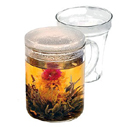
Tea Brewing Supplies There are a wide variety of tea accessories to see more

Organic Spices in Jars & Pouches Organic spices and seasoning blends are now see more
Join Our Free Newsletter
and
Get This FREE
brand new E-Book
"A-Z Reference Guide"
which includes links to all the recipes on this site plus
Ingredients Benefits
and HOW TO TIPS.
We value your Privacy
Balm
Baths
Conditioners
Creams
Deodorants
Facials
Gels
Lotions
Miscellaneous
Oils
Powders
Rinses
Salves
Scrubs
Shampoos
Treatment
Talc
Tinting
Toners